LDP Group finds investment property in Germany for expats and international professionals who live in Germany or elsewhere in the EU, takes the purchase through to the notary and sets up the rental management, every step in English.
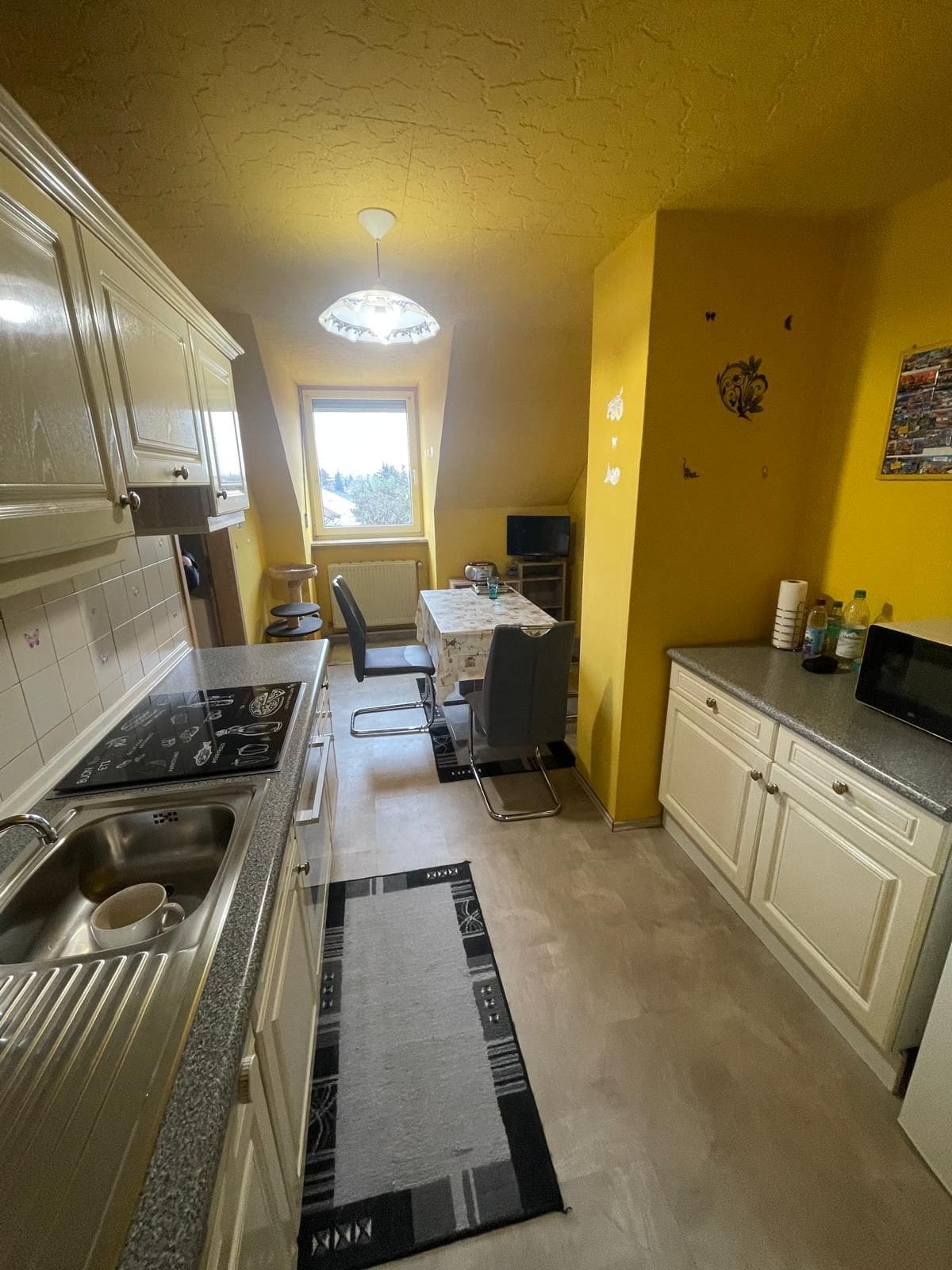
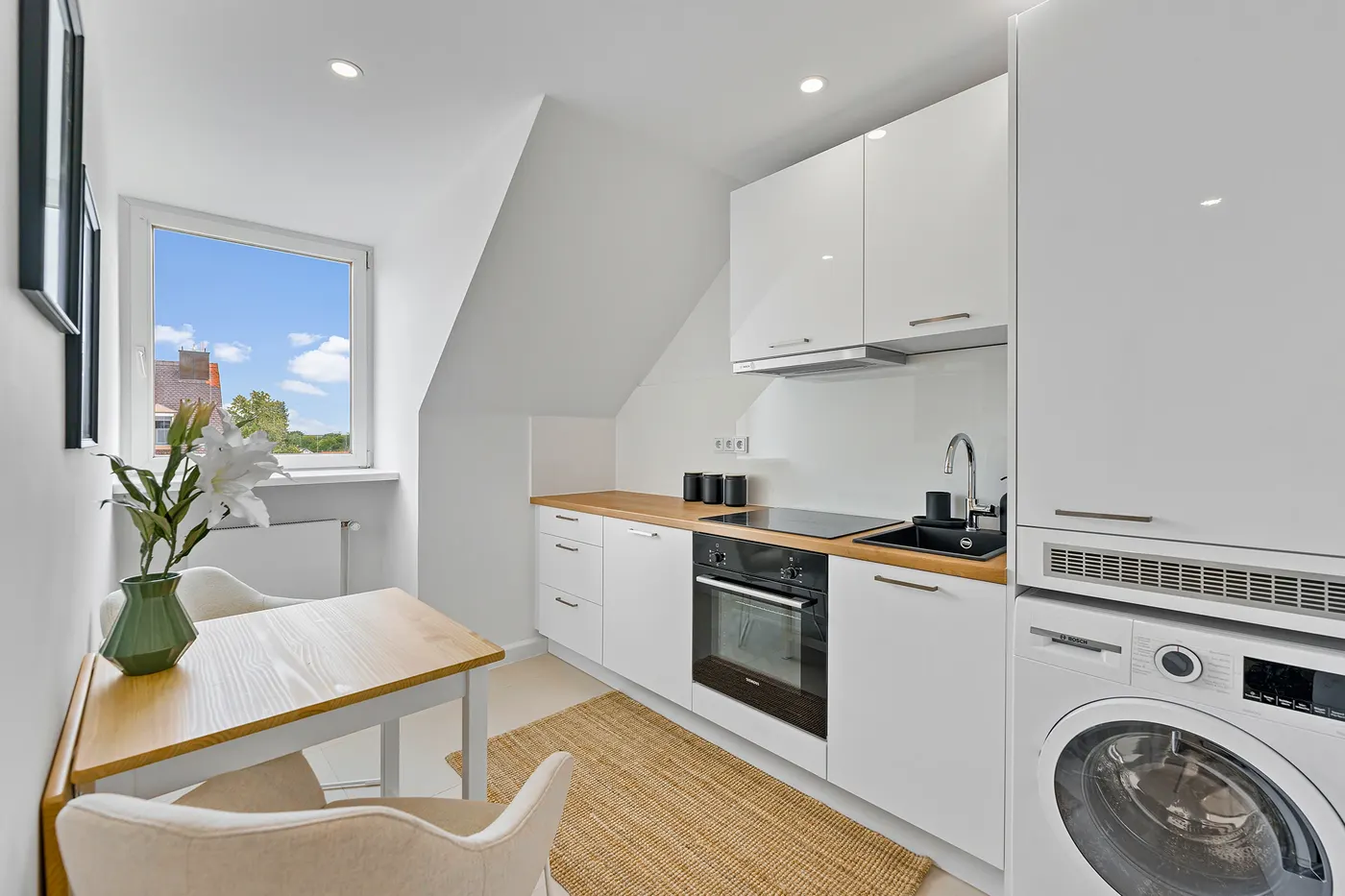
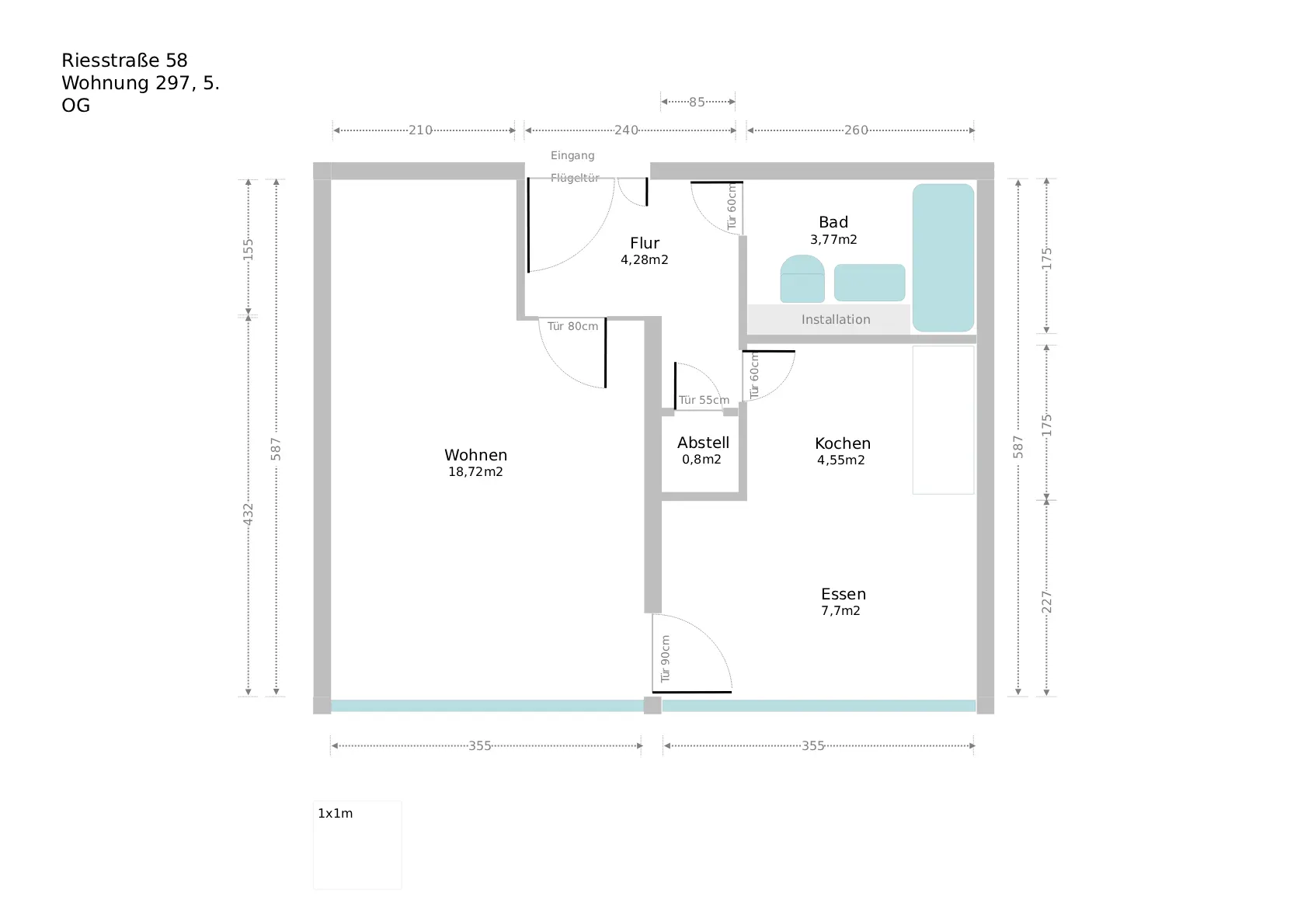
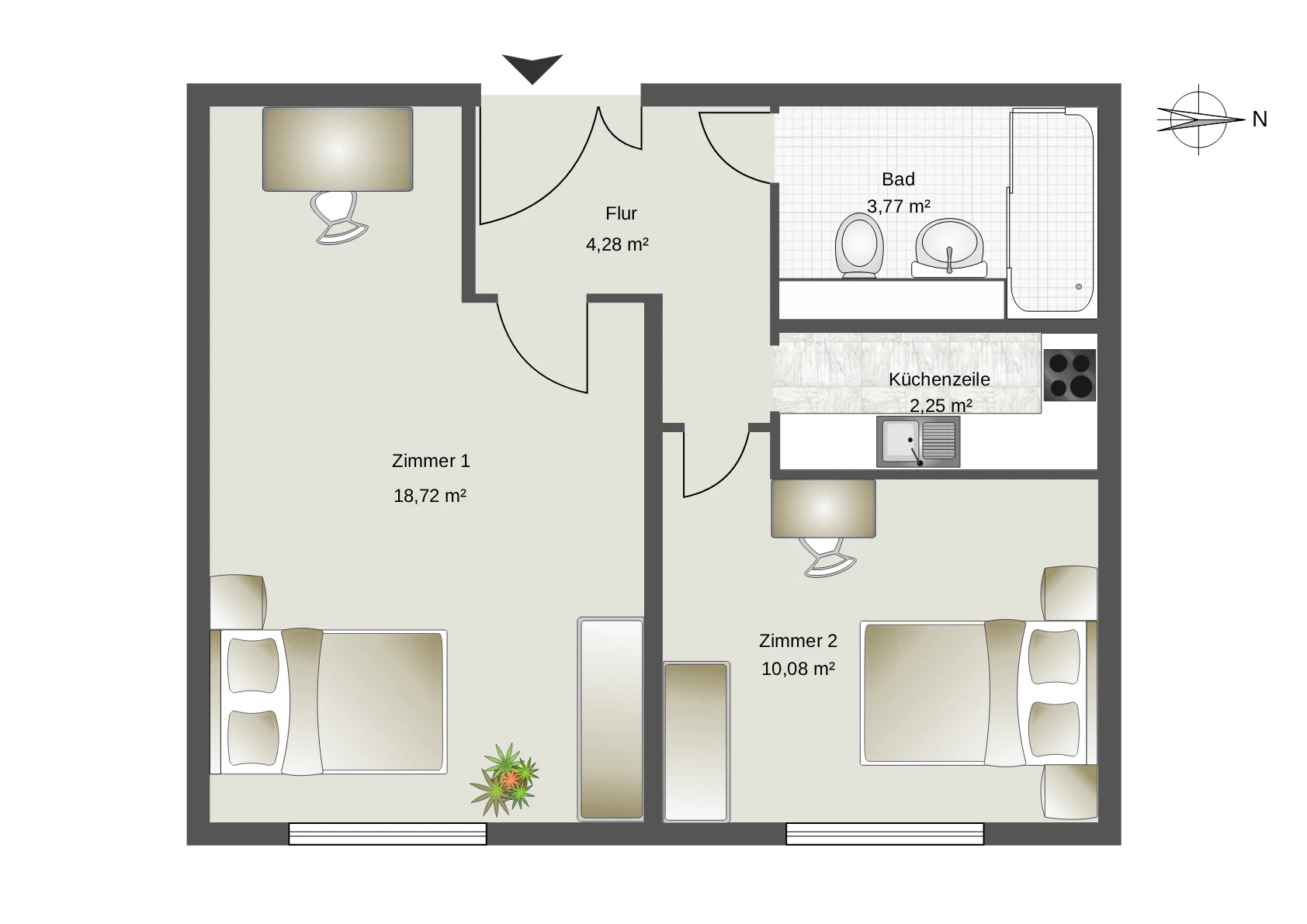
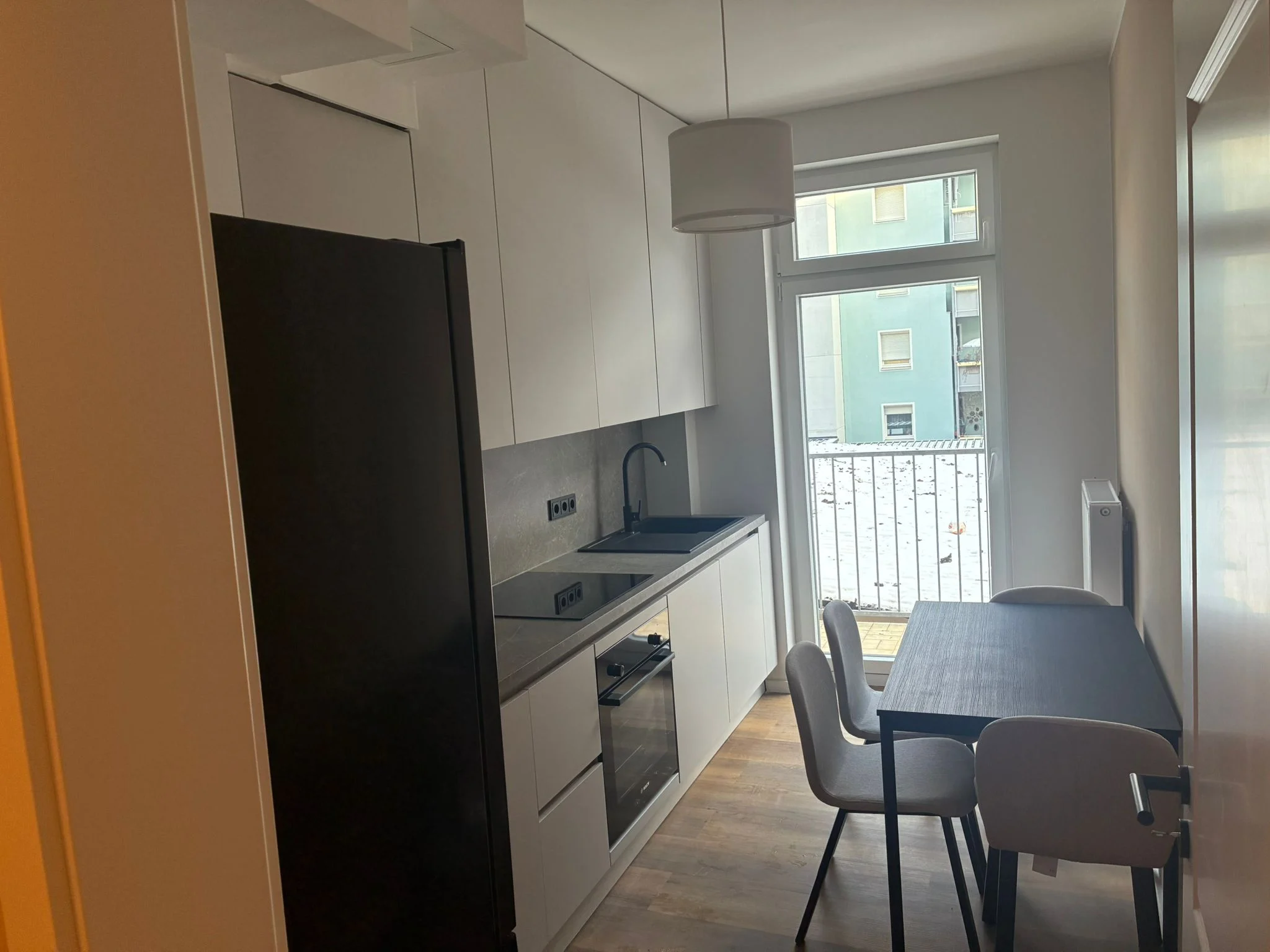
Selected client purchases, with the price, the rent before, the planned rent after, floor plans and photos, are on the client cases page.
These are individual properties after repositioning, not market averages. The yield marked “after” is a planned figure: it comes from the rent in the business case for that unit before purchase, which is why it sits above the city figure. City-wide gross yields run lower: across the 25 German cities we track they range from 2.6 to 4.9 percent, with Munich at 3.2 and Berlin at 4.1. Those figures, and the source behind each one, are in our city reports. The tax figures shown here depend on the building, the purchase structure and your personal situation. They are not a forecast for any other property.
Germany’s housing shortage was put at about 1.4 million homes at the end of 2024 (Pestel Institut, January 2026), and too few new homes are being built to close it, which keeps rental demand high in the large cities. For investors and expats, property investment in Germany provides stable rental yields, capital appreciation and long-term financial security in one of Europe’s strongest economies.
Germany’s tax framework provides highly attractive advantages for real estate investors, particularly for high-income expatriates.
Germany’s financing environment offers investors the ability to control high-value assets with exceptionally low entry capital.
LDP Group provides a seamless, end-to-end real estate investment service for expats in Germany. From finding the property to the notary appointment, we run every step of the purchase, coordinate with the tax firm Helm & Partner and set up tenant placement and rental property management. FM Zinswerk, an independent mortgage broker licensed under § 34i GewO, advises on and brokers the loan; we prepare your financing file and coordinate the timeline, and the bank decides. Beyond your first purchase, we develop a tailored long-term real estate portfolio strategy designed to grow your property value, generate stable rental income and maximize the tax benefits of real estate investment in Germany.
Whether a property carries itself depends on price, rent, interest rate and your tax rate. The client cases page shows the figures of selected client purchases, and the case calculator lets you test them with your own numbers. Few opportunities rival the long-term wealth potential of real estate today. Thanks to our extensive network and diverse expertise, we identify the ideal properties and prepare the financing file for the licensed broker. Often, we provide our clients with not only new investment opportunities but also fresh perspectives that can transform their financial futures.
Rental management with FairMieten and Miethelden, flat fee per tenant
We are paid when you buy. Our commission is part of the purchase price of the property. You do not receive a separate invoice from us for finding, checking and structuring the purchase, and there is no additional broker fee (Maklerprovision) on top of the price. In plain terms: you pay for our work through the price you sign at the notary. Mortgage brokerage is paid by the lending bank, and rental management is a flat monthly fee from 30 EUR per tenant, depending on the city. Because our income depends on the sale, we have a reason to sell. That is the conflict of interest a careful adviser will point out, and it is real. The protections that work are the ones outside our control: the bank values the property before it lends, the notary is neutral by law, and you can have the price checked by people of your own choice.
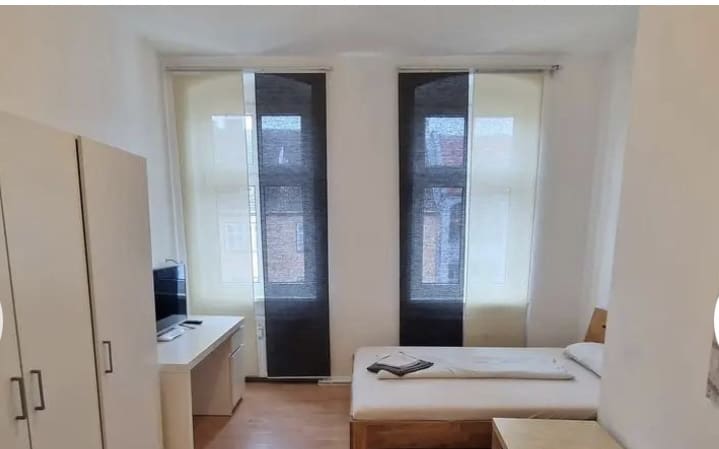
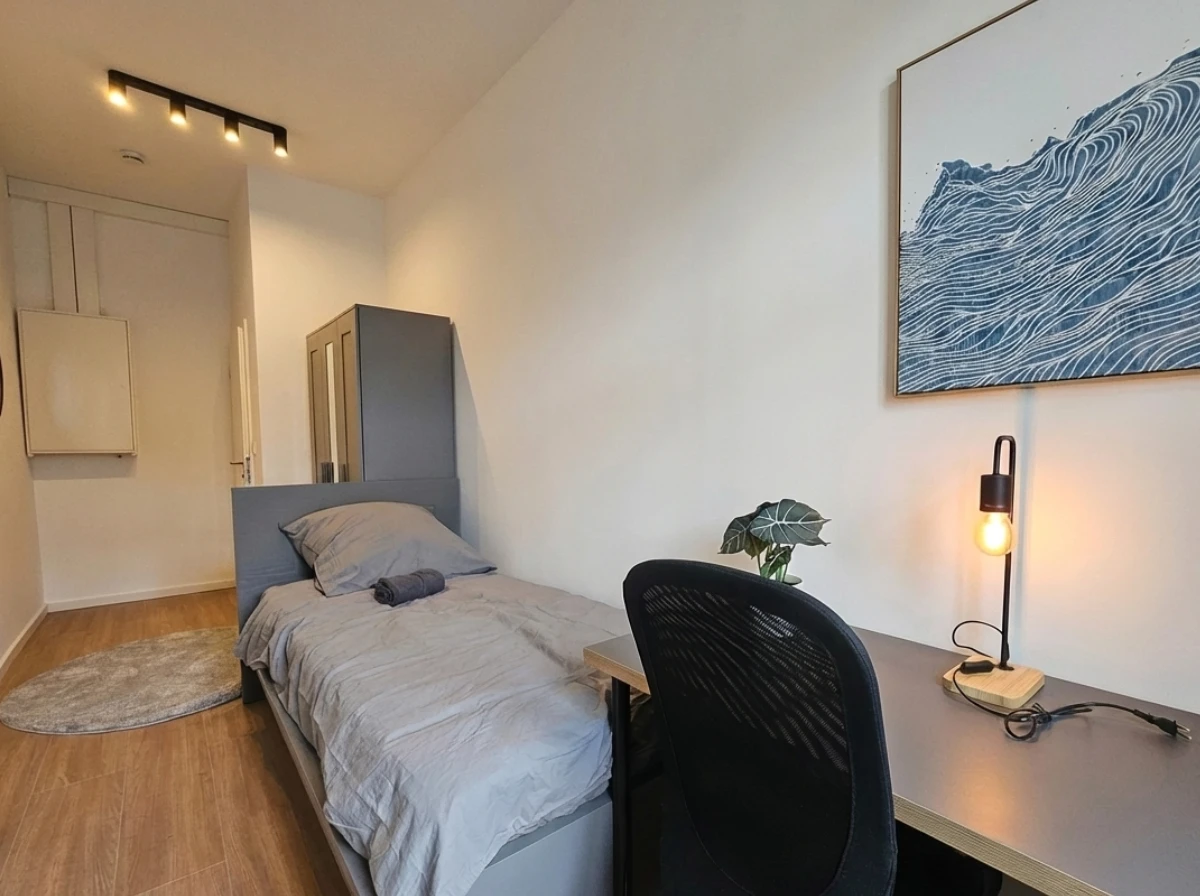
Co-living, called a Wohngemeinschaft or WG in Germany, means letting one existing apartment room by room to several tenants who each hold their own contract, instead of to a single household. The rooms are priced separately, so the flat as a whole earns more than one tenant would pay for it. In LDP's published client cases, anonymised and aggregated, a 3 to 5 room co-living conversion moved from an average cold rent of 1,166 euros a month before to 2,369 euros after, twice the starting rent, and from a gross yield of 2.7 percent at purchase to 5.4 percent after conversion. The cost side is real: more turnover, more management, and each room contract is a full tenancy under German law, including the rent cap in Berlin, Munich and Nuremberg. That is why management is set up before the first tenant moves in: through FairMieten, our own company, in Berlin and Bremen, and through partners elsewhere, such as Miethelden in Munich.

We source in eleven German cities: Berlin, Munich, Nuremberg, Erlangen, Fuerth, Duesseldorf, Cologne, Stuttgart, Karlsruhe, Frankfurt and Hamburg. The focus is existing buildings, co-living conversions and full renovation projects, from a purchase price of 100,000 euros; we do not sell new builds. Rental management is available in every one of those cities, through our own company FairMieten in Berlin and Bremen and vetted partners elsewhere, for example Miethelden in Munich. Separately from what we sell, we publish verified market data for 25 German cities: price per square metre, average cold rent, gross rental yield and vacancy, with every figure carrying the source it came from, plus dedicated investor guides for Munich, Berlin and Nuremberg. So you can check a city against the numbers before you ever speak to us.
Investing in Munich property as an expat, with Berlin and Nuremberg guides alongside
Three mechanisms do the work, and all three apply to a property you let out, not to a home you live in yourself. Depreciation under § 7 EStG writes off the building, never the land: 3.0 percent a year for buildings completed from 2023, 2.0 percent for 1925 to 2022, 2.5 percent before 1925, plus a 5.0 percent declining-balance option under § 7 Abs. 5a EStG where construction started between 1 October 2023 and 30 September 2029. Deductions: mortgage interest, running costs and maintenance come off the rental income. The ten year rule: under § 23 EStG the gain on a private sale is free of tax once you have held the property for ten years. None of it is automatic. It depends on how the purchase is structured, and the depreciation rate depends on the build year of the specific building.
LDP Group works with FM Zinswerk, an independent mortgage broker licensed under § 34i GewO, so that financing is typically approved within about four weeks of the first call, which is what makes an off-market deal workable at all, because those sellers do not wait. Our partner FM Zinswerk handles pre-approval and the comparison across lenders; it is paid by the lending bank and states that it charges clients nothing. What we put in front of you before any of that starts is the equity number, because it decides whether the purchase happens. If you live in Germany with German income, published requirements start at around 10 percent down plus the purchase costs. If you live abroad, our working figure is 40 to 50 percent of the price in equity, a 50 to 60 percent loan-to-value, with the purchase costs on top of that.
Because one team runs the whole purchase, and because you can check us before you talk to us. LDP Group finds rental property for expats and international professionals in Germany, takes the purchase through to the notary and sets up the rental management: existing buildings, co-living conversions and full renovations in eleven cities, from a purchase price of 100,000 euros, every step in English. The mortgage is brokered by FM Zinswerk, licensed under § 34i GewO, and tax advice comes from the tax firm Helm & Partner; we coordinate both. LDP Immobilienberatung GmbH was founded in October 2024 by founders who were already active in the market before, and has served more than 100 clients, most of them expats buying their first investment property in Germany. We publish selected client purchases with the price, the rent before and after and the first-year tax effect, and we say how we are paid: through a commission inside the purchase price. So compare any price we show you with the bank's valuation and the city data before you sign.
Yes, and there is no permit, no residency requirement and no citizenship test. German law places no restriction on foreign ownership of residential property, and the process is the same one a German buyer goes through: the contract has to be recorded by a notary under § 311b Abs. 1 BGB, and the transfer is only final once the land registry enters you as the owner. You do not have to be in the room for the notary appointment. Representation by power of attorney is routine, but the land registry will only act on one that satisfies § 29 GBO: the original document with a notarially certified signature, and an apostille if it was certified outside Germany.
How long you will hold it decides this, more than which city you pick. Across the 25 cities we track, gross rental yields run from 2.6 percent in Hamburg to 4.9 percent in Wuppertal, a spread of about 2.3 percentage points. Against that, purchase costs of roughly 5.5 to 8.5 percent of the price are spent on day one and never come back. Spread over a five year hold, they cost 1.1 to 1.7 percentage points of yield every single year, about half to three quarters of the 2.3-point gap between the best and the worst city in the country. Hold for ten years and the same costs weigh half as much, and § 23 EStG makes the gain on a private sale free of tax. Short horizons are where German property goes wrong, far more often than bad cities.
Where you live decides this, not which passport you hold. Banks assess whether your income is verifiable and durable and how much equity you bring; citizenship appears in none of the published criteria we found. If you live in Germany with German income, published requirements start at around 10 percent down plus the purchase costs. If you live abroad, the lender pool is smaller and the equity requirement jumps: our working figure from the financing files we coordinate is 40 to 50 percent of the price in equity, which is a 50 to 60 percent loan-to-value. That is lender convention, not law, and no statute sets a ceiling. On 13 October 2026 a ten year fixed ran from 4.16 percent on best-case terms to 4.62 percent above 90 percent loan-to-value, and rates move daily, so treat any rate you read anywhere, including here, as date-stamped rather than current.
Budget roughly 5.5 to 8.5 percent of the purchase price on top of the price, depending on the federal state, plus 2.98 to 3.57 percent if an agent is involved; on a purchase through LDP there is no additional broker fee on top of the price. Property transfer tax is the largest piece and is set per state and runs from 3.5 to 6.5 percent: 3.5 percent in Bavaria; 5.0 percent in Baden-Württemberg, Lower Saxony, Rhineland-Palatinate, Saxony-Anhalt and Thuringia; 5.5 percent in Bremen, Hamburg and Saxony; 6.0 percent in Berlin, Hesse and Mecklenburg-Vorpommern; 6.5 percent in Brandenburg, North Rhine-Westphalia, Saarland and Schleswig-Holstein. Notary and land registry add about 2 percent, are statutory under the GNotKG, and are therefore identical everywhere and not negotiable. Agent commission, where an agent is involved, costs the buyer 2.98 to 3.57 percent by state convention, capped at half the total commission on consumer purchases under §§ 656a to 656d BGB. The part people miss: a lender will normally not finance any of this. It comes out of your own money on top of the deposit.
Across the 25 German cities we track, gross rental yields run from 2.6 percent in Hamburg to 4.9 percent in Wuppertal, with a median of 4.0 percent. Munich sits at 3.2 and Berlin at 4.1, so the pattern is not simply big city against small one. Individual units can beat their city's average, particularly after a repositioning, which is why the cases further up this page sit higher. The city figure is the honest starting point. Those are gross figures: annual cold rent against purchase price, before any cost at all. Net yield is what you actually keep, and management, maintenance, the non-recoverable part of the service charges, vacancy and income tax take a real share of the gross out. Every one of the 25 figures on our site carries the source it was read from and the date it was read.

An off-market property is one that is never publicly listed, so it does not show up on the portals or in a portal search. The upside is less competition, and sometimes a price that has not been bid up by a viewing queue. The part worth being straight about: no listing also means no comparison set, so you cannot benchmark the asking price the way you can against twenty similar flats on a portal. That makes two checks matter more than they otherwise would, an independent valuation and the price per square metre for that specific district rather than for the city as a whole. We publish the second one for every city we cover.
No. Non-residents can own and let German property, and remote ownership is normal; EU-resident clients can buy with us this way. Two consequences are worth knowing before you start. Financing gets harder: expect a smaller lender pool and 40 to 50 percent equity, rather than the roughly 10 percent a resident with German income may be offered, and we do not take on purchases by buyers living outside the EU, whom the banks our broker partner FM Zinswerk works with do not finance. The rent is taxed in Germany from the first euro. Under § 49 EStG your rental income is German-source income, and § 50 Abs. 1 EStG has the effect that the basic allowance, 12,348 euro in 2026, is added back onto your taxable income instead of exempting the first slice of it. The notary appointment itself is handled by power of attorney, notarised abroad with an apostille or certified at a German consulate, so remote ownership does not mean flying in to sign.
Buying German property remotely: the power of attorney guide
No. What moves your terms is your employment contract and your residence status, not your passport, and citizenship appears in none of the published lender criteria we found. Where the permit does bite is equity: published requirements run from around 10 percent down for permanent residents and EU citizens to 20 or 30 percent for temporary permits. An EU Blue Card counts as a temporary permit, but it also shortens the road to permanent settlement, which is what moves you into the better band. Under § 18c Abs. 2 AufenthG that is 27 months with basic German and 21 months with sufficient German, so the language certificate is worth six months of materially better financing terms.
As read on 13 October 2026, a ten year fixed ran 4.16 percent on best-case terms, 4.34 percent at 80 percent loan-to-value and 4.62 percent above 90 percent. Shorter and longer fixes bracket that: 4.36 percent over five years, 4.32 percent over fifteen. Which band you land in depends on how much you borrow against the value, so the equity question sets your rate as much as the market does. Rates barely moved week on week. Interhyp's table for offers from 05.10. to 11.10.2026 shows ten-year rates of 4.22% at a loan-to-value below 70%, 4.34% at 80% and 4.62% above 90%, each about one hundredth of a point below the table a week earlier. Dr. Klein's best available ten-year rate, read on 13.10.2026, stood at 4.16% effective, after 4.12% on 05.10.2026. The published outlooks point the same way: sideways to slightly higher. Dr. Klein's expert panel (page summary dated 09.10.2026) expects stable to slightly rising rates through the end of 2026 and a corridor of 4.0% to 4.5% for the best ten-year rate, which the current 4.16% sits inside; the page notes a rise of about 0.8 percentage points since July 2026 and a new high in September, and its adviser recommends against waiting because waiting is becoming more expensive. Interhyp put the typical ten-year rate at 4.2% on 10.09.2026. Its bank panel of the same date was split: half expected further increases over the following one to two months, half a sideways move, and for the following six to twelve months the panel divided roughly evenly between rising, stable and falling rates. Interhyp's board member Jörg Utecht said buyers should expect rates to stay above 4% for now. The ECB raised its deposit rate twice in 2026, to 2.50% from 16.09.2026; its next decision is due on 29.10.2026. Rates move daily. We re-read this table every second Tuesday, and the date above is the day it was read, not today.
German real estate is taxed in Germany whatever passport anyone holds and wherever anyone lives. If neither the deceased nor the heir was resident in Germany, § 2 Abs. 1 Nr. 3 ErbStG applies limited liability: only German-situs assets are taxed, and German real property is on that list under § 121 BewG. The catch is the allowance. § 16 Abs. 1 ErbStG gives a spouse 500,000 euro, a child 400,000 and a grandchild 200,000, but § 16 Abs. 2 cuts that pro rata under limited liability, in the ratio of the German assets to everything inherited from the same person over ten years. A child inheriting 300,000 euro of German property out of a 500,000 euro estate keeps three fifths of the 400,000, so 240,000 euro. This is decided by how the ownership is structured before the event, not after it.
Buying wins on a long horizon and loses on a short one, and the crossover comes later in Germany than in most countries, because the entry costs are high and the rent side is well protected. Purchase costs of roughly 5.5 to 8.5 percent are spent the day you sign and never come back, which over a five year hold is 1.1 to 1.7 percentage points a year before anything else happens. On the other side, § 556d BGB caps a new letting in a designated tight market at 10 percent above the local reference rent, and § 558 Abs. 3 BGB caps increases inside a running tenancy at 20 percent over three years, 15 percent in tight markets. If you are reasonably sure of seven to ten years, buying usually wins. Under five, renting usually does.
No. Germany has no golden visa and no residence permit granted for buying property. The residence categories in the Aufenthaltsgesetz turn on employment, self-employment, family reunification or study, and not one of them has a property test or an investment threshold. Owning a flat can support an application as evidence of stable circumstances, but it never creates a right of residence by itself. If anyone offers you German residency through a property purchase, that is not something German law provides. Naturalisation is a separate track again: since the reform in force from June 2024 the standard route is five years of lawful residence with B1 German and a civics test.
Not to buy. You meet it when you borrow. Arriving in Germany you have no Schufa file at all: foreign credit history does not transfer, and an empty file is not a bad score, it is an absence of data. Since March 2026 the score is a single figure from 100 to 999. Lenders weigh it alongside your income, your contract type and your equity, and equity is the lever that compensates for a thin file. That is also part of why buyers living abroad, who often have no German file whatsoever, meet a 40 to 50 percent equity requirement rather than a flat refusal.
Start with one existing flat, let long term, financed by a German bank and managed by someone on the ground. If you live in Germany, 80 to 90 percent of the purchase price is the standard financing band, and banks go up to 100 percent with a strong income profile; purchase costs of roughly 5.5 to 8.5 percent depending on the state (transfer tax plus about 2 percent notary and land registry) normally come from equity. The tax structure, depreciation on the building share, the land and building split and the treatment of renovation costs, is decided before the notary date, not at the first tax return. Our entry point is a purchase price of 100,000 euros, which is the property price, not the cash you need. The guide below walks through eligibility, cash needed, city choice, property type, the tax levers and who can help at each step.
How to start investing in German property as an expat, step by step
Self-manage if you live near the flat, read German, have one long-term tenant and the time for the annual operating cost statement (due within twelve months under § 556 Abs. 3 BGB), the deposit rules of § 551 BGB and the occasional repair. Hire a manager once you live abroad, own several units or let room by room, because then the work scales with the number of tenants, not with the square metres. German managers usually charge a percentage of the cold rent plus a placement fee; LDP's model is a flat fee from 30 euros per tenant per month with no percentage of rent and no placement fee, and third-party repairs billed at cost after your approval. The comparison page sets out the tasks, the legal deadlines and both fee models with a worked example.
A mortgage broker arranges the loan and is paid by the bank; it does not find, price or manage the property. A turnkey seller sells properties from its own stock, often new builds, with financing and management arranged around the sale. A financial adviser offers property as one product next to insurance and pensions. LDP is a full-service investment firm: we source an existing building on the open market, run the purchase calculation, which both founders review, coordinate financing through the broker FM Zinswerk with no fee to you, bring the purchase to the tax firm Helm & Partner, which sets the tax structure before the notary date, and set up management before the first tenant. We do not sell new builds, do not take on purchases by buyers living outside the EU, whom the banks our broker partner FM Zinswerk works with do not finance, and do not give tax advice ourselves. The comparison page lists ten providers by type, quoting only what their own websites say.
The first step is a free 30-minute screening call, held in English, German, Arabic, Hindi or Tamil. In it we check whether your residence, income and equity fit a German bank, and which of our cities and property types make sense for you. No property is shown before that call, and the call is non-binding. A short form comes first, then you pick a time. If you would rather look at numbers before talking to anyone, the case calculator starts from a published client purchase and lets you put in your own loan, interest rate, tax rate and costs, and you can have the result sent to you by email.
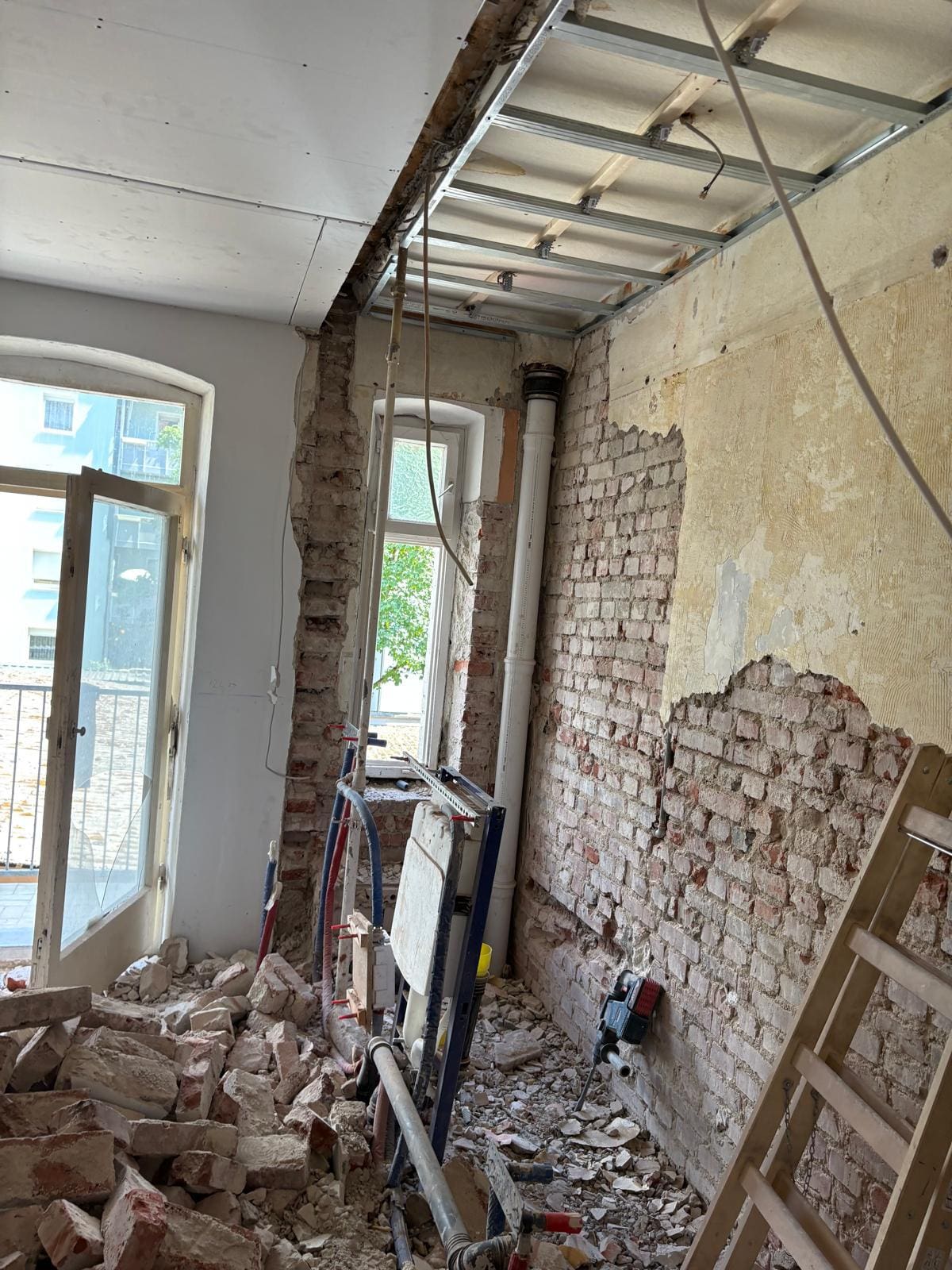
At LDP Group, we don’t just help you invest in real estate we take it a step further by managing in-house renovations to maximize your property’s value and rental potential. Our team coordinates everything from layout optimization to energy-efficient upgrades, ensuring the property meets both legal standards and market demands. By handling the entire renovation process internally, we maintain full control over quality, timelines, and cost-efficiency. This allows our clients to enjoy a hands-off experience while we deliver move-in ready, high-yield properties tailored to long-term growth.
Tax advice and, depending on the case, the annual German tax return come from the tax firm Helm & Partner (Steuerberater), in English. The tax structure is set by Helm & Partner before the notary date; LDP prepares the purchase figures and coordinates, and gives no tax advice.
Step-by-step assistance throughout the purchasing process, from property search to closing. Negotiation support to secure the best price and favorable terms for your investment. Due diligence on the land register, the owners’ meeting minutes and the building documents; the notary explains the contract, and you can add an independent lawyer of your choice. We prepare your financing file and coordinate the timeline; FM Zinswerk, an independent mortgage broker licensed under § 34i GewO, advises on and brokers the loan, and the bank decides.
Regular property inspections to identify maintenance needs and address issues promptly. Coordination of routine maintenance tasks such as repairs, landscaping, and cleaning. Access to a network of trusted vendors and contractors for quality service at competitive rates.
Conduct in-depth market analysis to identify high-return investment opportunities. Recommends properties tailored to your goals and budget. Assists in choosing neighborhoods with strong rental demand and growth potential. Evaluates property value, expected returns, and future appreciation prospects.
At LDP Group, we’re committed to more than just a one-time investment we’re your long-term partner in building a sustainable real estate portfolio. From the first property to expanding into a multi-unit strategy, we provide ongoing guidance tailored to your goals, risk profile, and life situation. Our team regularly reviews market opportunities, financing options, and tax strategies to help you scale efficiently. With our end-to-end support, you’re not just buying property: you’re building a future-proof portfolio designed for lasting growth.
We guide you through all official procedures: from financing and notary appointments to tax registration and property handover. Our team ensures every step is handled correctly, saving you time, avoiding costly mistakes, and making the investment process as smooth and stress-free as possible.